One of the Darkest Measured Skies in America
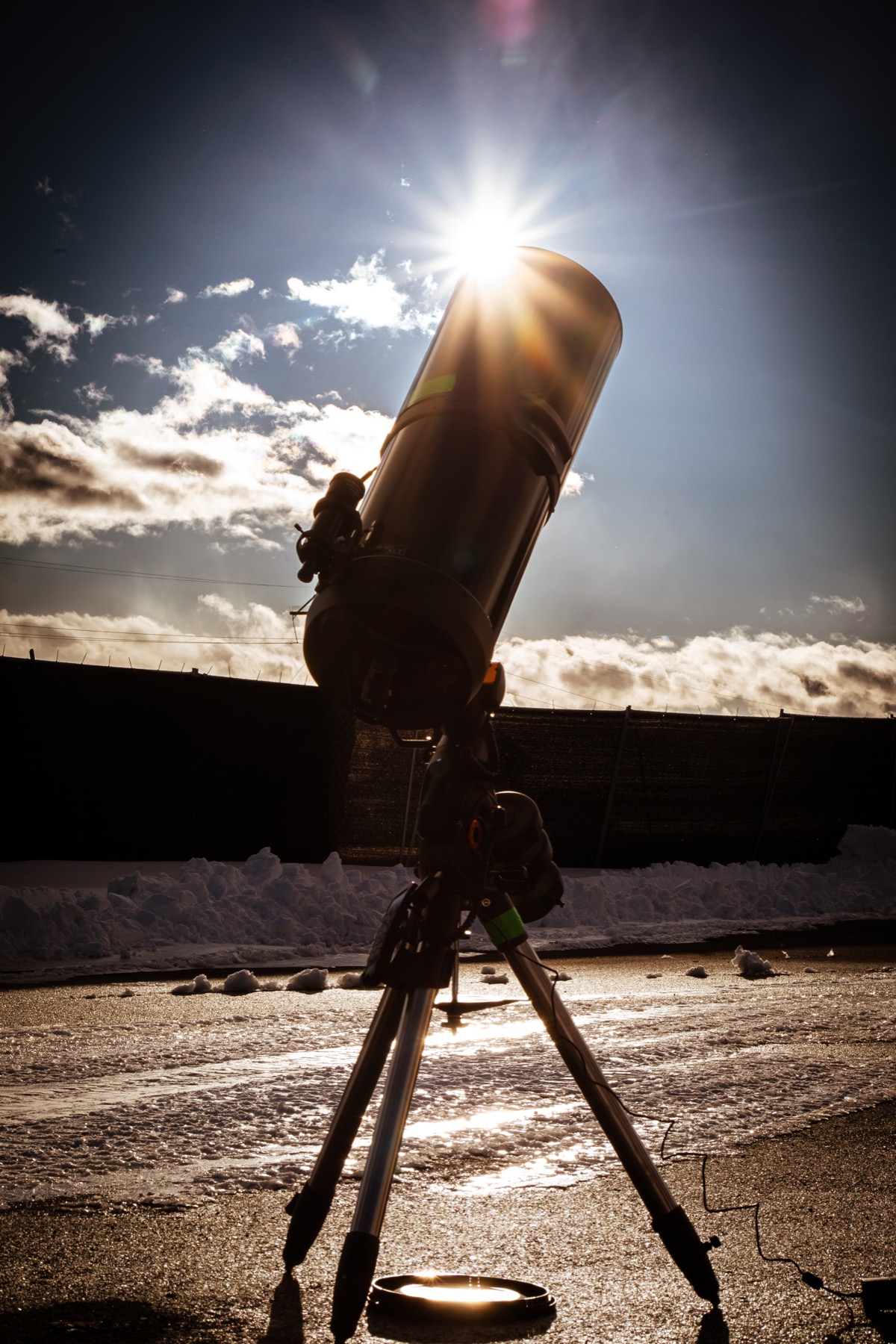
Bryce Canyon National Park was certified as an International Dark Sky Park in 2019, but the park's reputation among astronomers goes back decades. Rangers here have run night sky programs since the 1960s, and the park sits at a rare intersection of conditions: high elevation (8,000 to 9,100 feet, above a meaningful slice of the atmosphere), dry southern Utah air, and almost no significant city lights for a hundred miles in most directions.
The result is a sky routinely measured at a limiting magnitude of about 7.4. In plain terms, that's the brightness of the faintest star a sharp-eyed person can see. Most city skies top out near magnitude 4. Because the magnitude scale is logarithmic, that gap is enormous — it's the difference between a few hundred visible stars and several thousand, with the Milky Way arching overhead as a dense, textured band rather than a rumor. We break down exactly what that buys you, object by object, in our guide to what you can see in the Bryce Canyon night sky.
| Sky Metric | Value |
|---|---|
| Limiting magnitude | 7.4 |
| Visible stars (moonless) | ~7,500 |
| Dark Sky certification | 2019 |
| Elevation range | 8,000–9,100 ft |
| Annual astronomy programs | ~100 |
What the Night Sky Looks Like by Season
Summer (June–August): the Milky Way core
This is prime season. The bright central bulge of the Milky Way — the galactic core, toward Sagittarius — rises in the southeast after dark and stands high in the southern sky by midnight. On moonless nights it's bright enough to see structure: dark dust lanes, star clouds, and a glow strong enough to cast a faint shadow on pale rock. June also brings the park's Annual Astronomy Festival. Expect chilly nights even in July; the rim regularly drops into the 40s Fahrenheit.
Fall (September–November): galaxies and steady air
The core sinks earlier each evening, but fall trades it for the Andromeda Galaxy nearly overhead, crisp transparency after summer monsoon season ends, and longer nights. October is a sleeper pick: dark by 7:30 p.m., and far fewer people at the rim.
Winter (December–February): the brightest stars of the year
Orion, Sirius, and the great winter constellations ride high, and the Geminid meteor shower in mid-December is one of the year's best. Nights are seriously cold — often below 10°F — and some park roads close after storms, so winter stargazing rewards preparation.
Spring (March–May): zodiacal light season
Spring evenings are the classic window for the zodiacal light, a soft pyramid of glow above the western horizon after twilight that only truly dark sites reveal. The summer core also begins rising in the pre-dawn hours by April, which is when night photographers start showing up. Our night photography guide covers how to capture it with gear you already own.
Why a Guided Tour Is Worth It Here
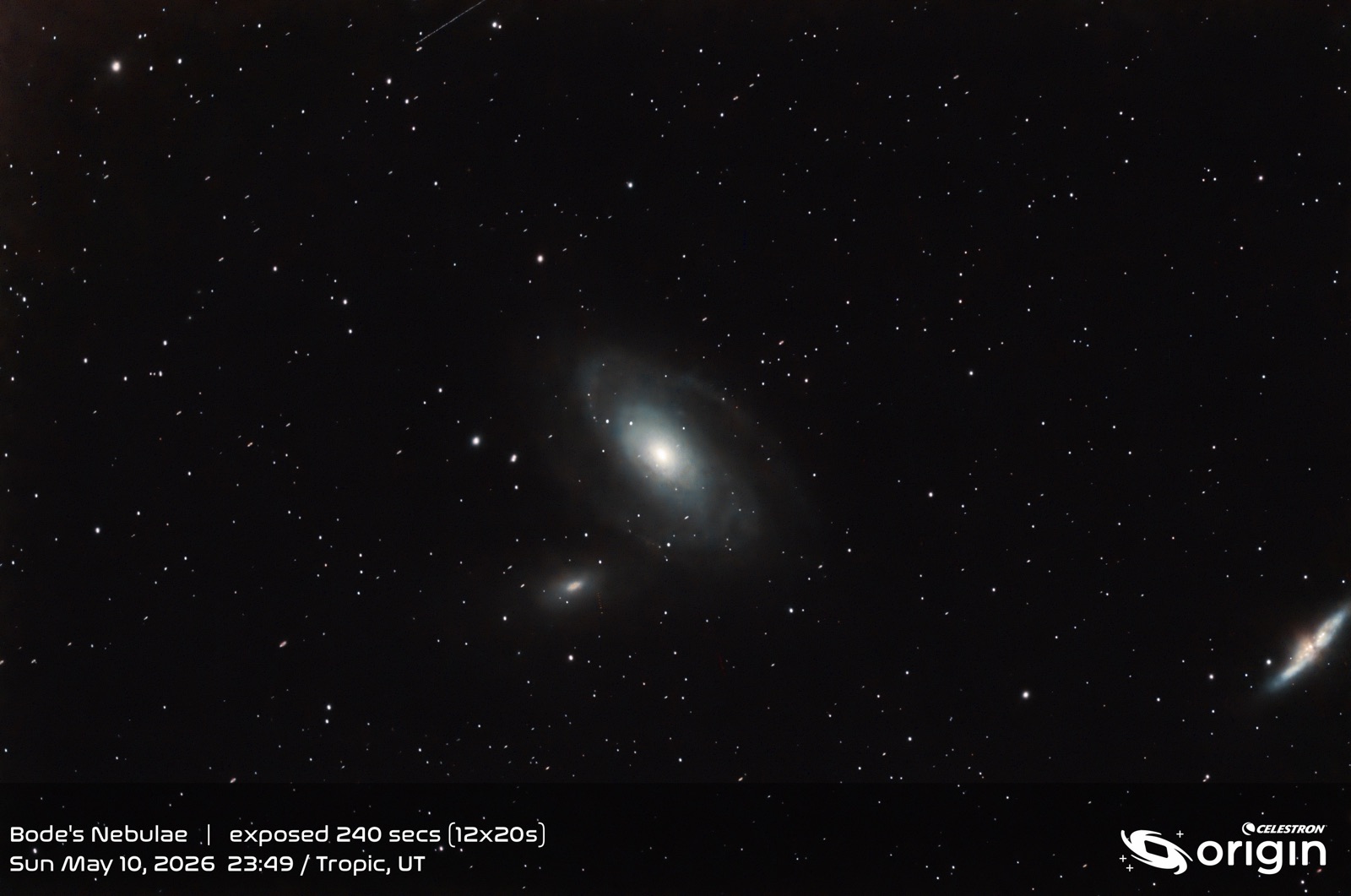
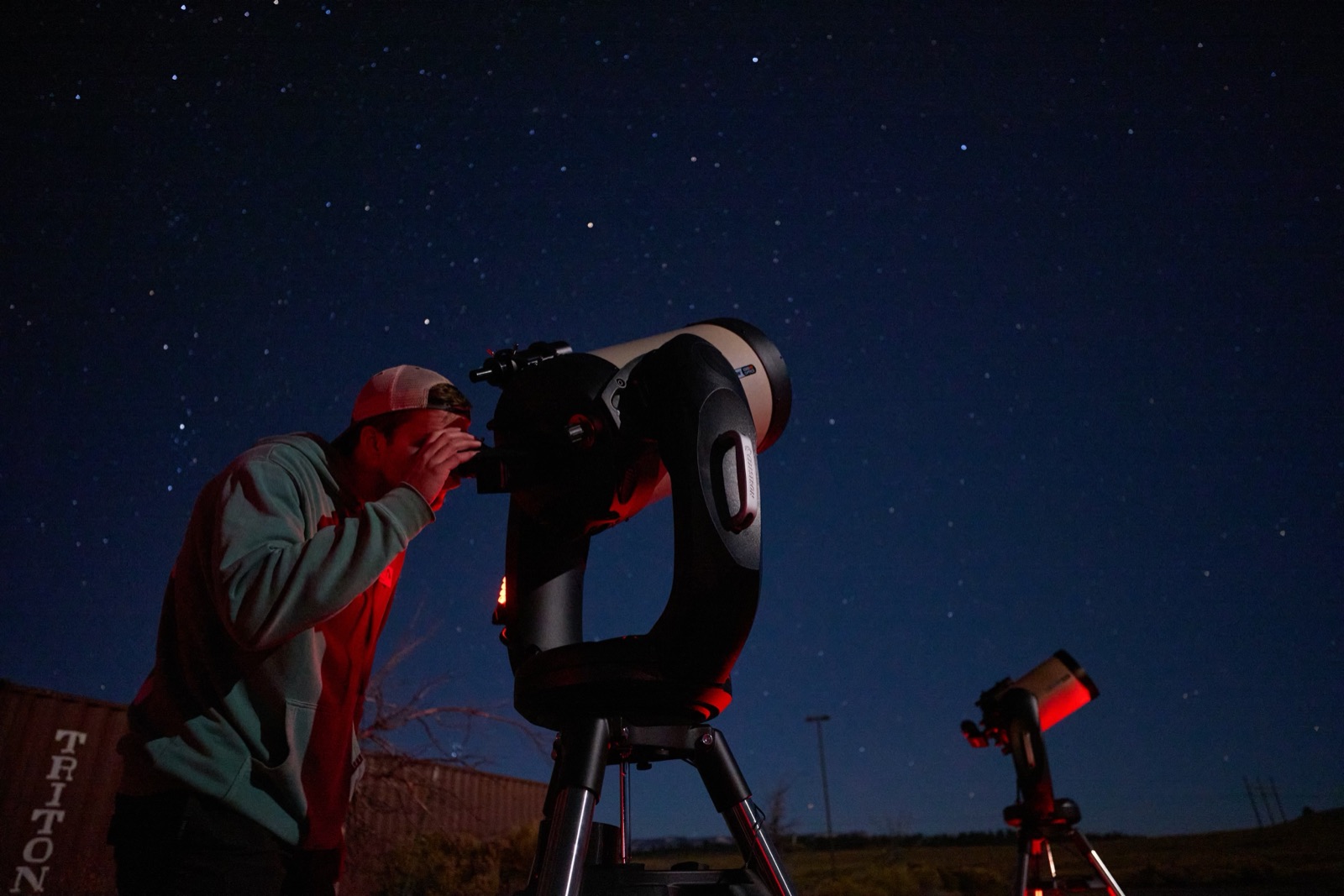
You can absolutely walk to the rim on your own and be stunned — the sky does most of the work. But there's a real difference between seeing a bright band overhead and understanding what you're looking at. A good guide turns that band into the structure of our galaxy, points a telescope at Saturn's rings or the Andromeda Galaxy, and times the night around moonrise and the best targets.
There are two ways to get that experience at Bryce. The park's free ranger astronomy programs are genuinely good — about 100 of them run each year — but they follow a fixed schedule and can fill up in peak season. Private tours with Bryce Canyon Stargazing run on flexible dates with small groups and dedicated telescope time. We compare them honestly, including when the free option is the right call, in ranger programs vs private tours.
Where to Stand After Dark
The famous amphitheater viewpoints don't close at sunset, and each has a different character at night. Sunset Point and Sunrise Point are the easiest safe walks from parking; Inspiration Point adds elevation and a wider horizon; Bryce Point is the dramatic one, with the summer Milky Way hanging over the amphitheater. Access, safety, and which direction each one faces are covered in best viewpoints at night.
Quick Planning Notes
- Check the moon first. Plan within roughly five days of a new moon for the darkest sky. A full moon washes out the Milky Way (though moonlit hoodoos are their own spectacle).
- Dress for winter, even in summer. The rim sits above 8,000 feet. Bring a real jacket, a hat, and gloves for any night, any month.
- Give your eyes 20–30 minutes. Full dark adaptation takes time. Use a red light, not your phone screen.
- Arrive before full dark. Walking unfamiliar rim trails is far easier in twilight, and you get the bonus of watching the stars switch on.
More practical answers — reservations, temperatures, best months, kids — live in the stargazing FAQ.
"The sky does most of the work. But there's a real difference between seeing a bright band overhead and understanding what you're looking at."
Book Your Night Under 7,500 Stars
Dates around the new moon book out first, especially June through September. Reserve a guided tour early and let the sky do the rest.
Reserve a Stargazing Tour